Exhibits

Exhibits from the Museum’s collection, sharing stories of life in Paris past and present.

Thompson Printing Press

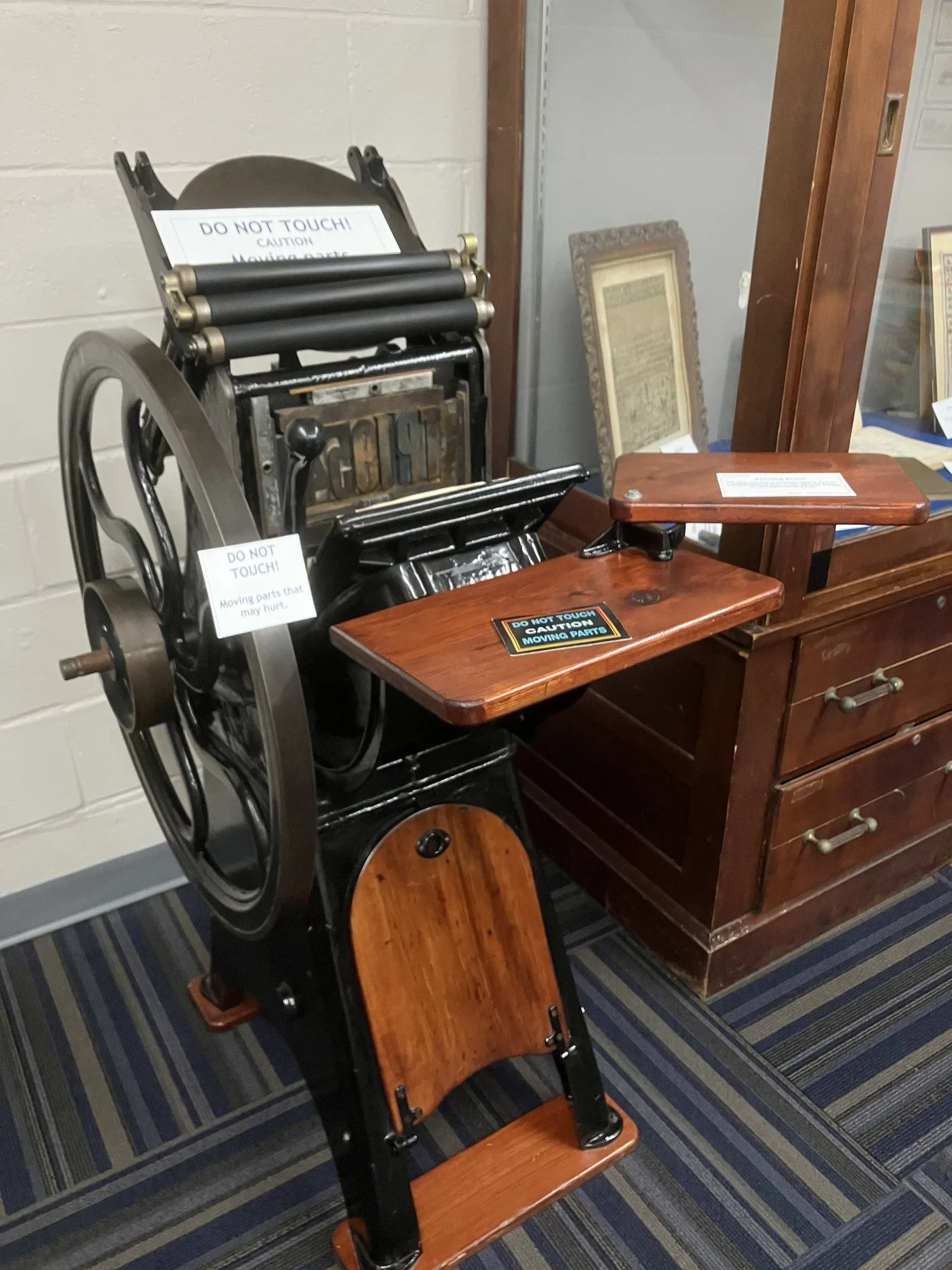
This press was used by Thompson Printing for approximately 50 years. Thompson Printing was a family run business – starting with the letterpress in the backyard garage over 70 years age. Thompson Printing closed in 2025.

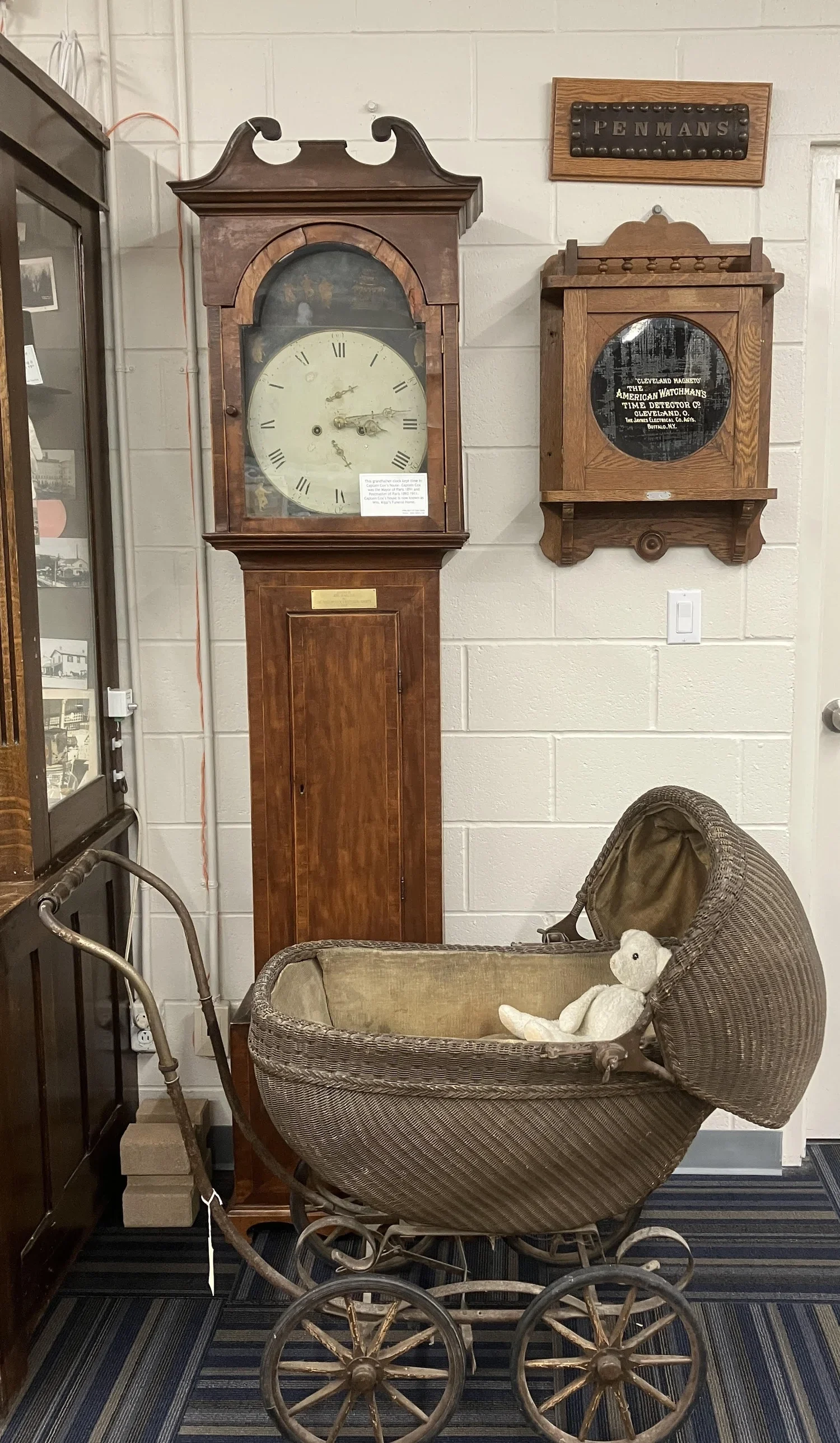
Penmans Time Clock

A tangible reminder of industrial life in Paris, showing how time, work, and routine shaped the lives of Penmans employees.

How Paris Got Its Name

Explore the origins of Paris’s name and the story behind how the town came to be known as Paris, Ontario.

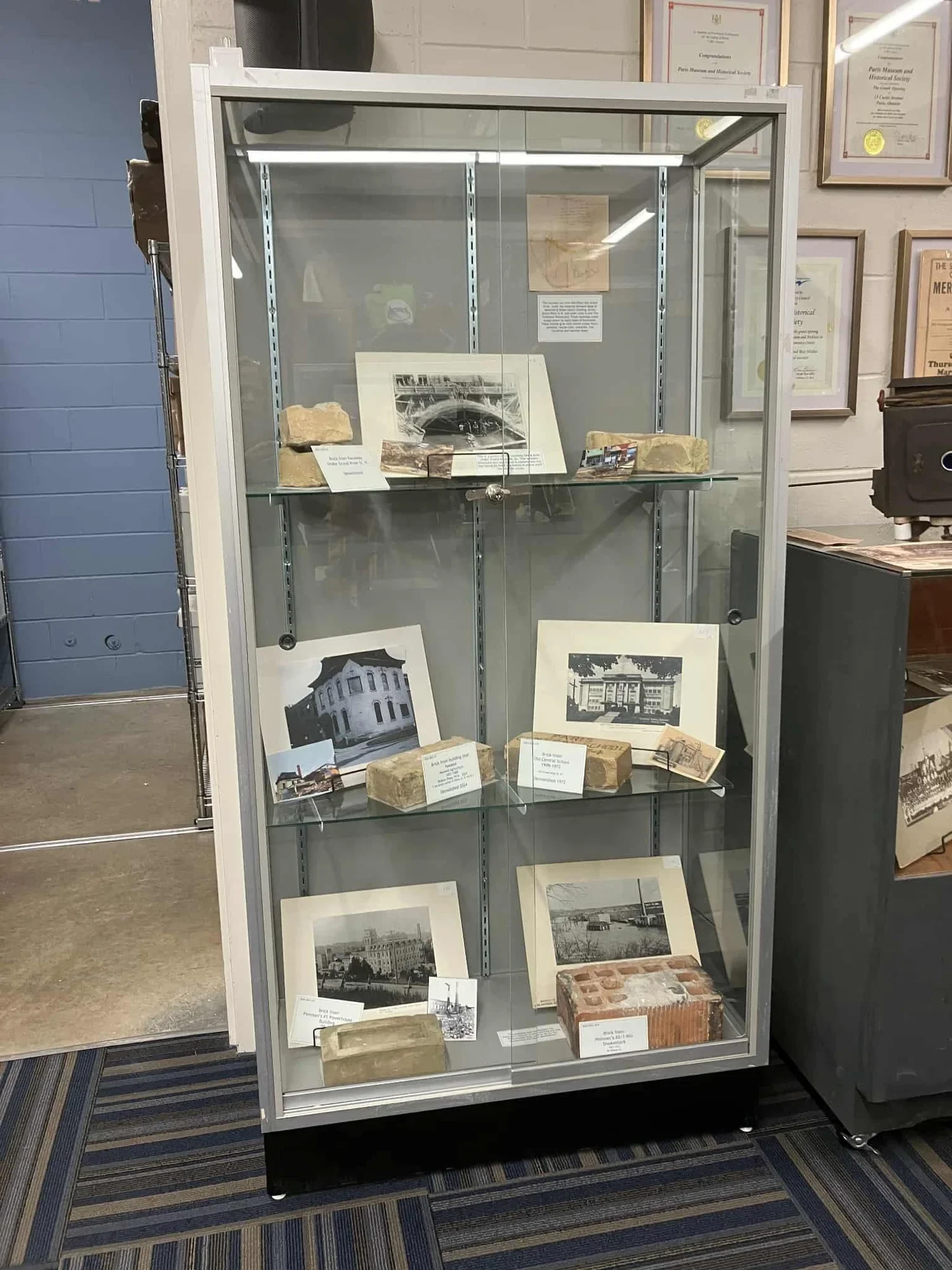
Buildings We Have Lost in Paris

A look at buildings that once defined the streetscape of Paris, remembered through photographs, records, and community memory.

Entertainment in Paris

A Magic Lantern to a record from the Capitol Theatre, photos of plays performed in 1860s to play programs performed in 1990s – the history of entertainment in Paris begins when Paris was still a village.

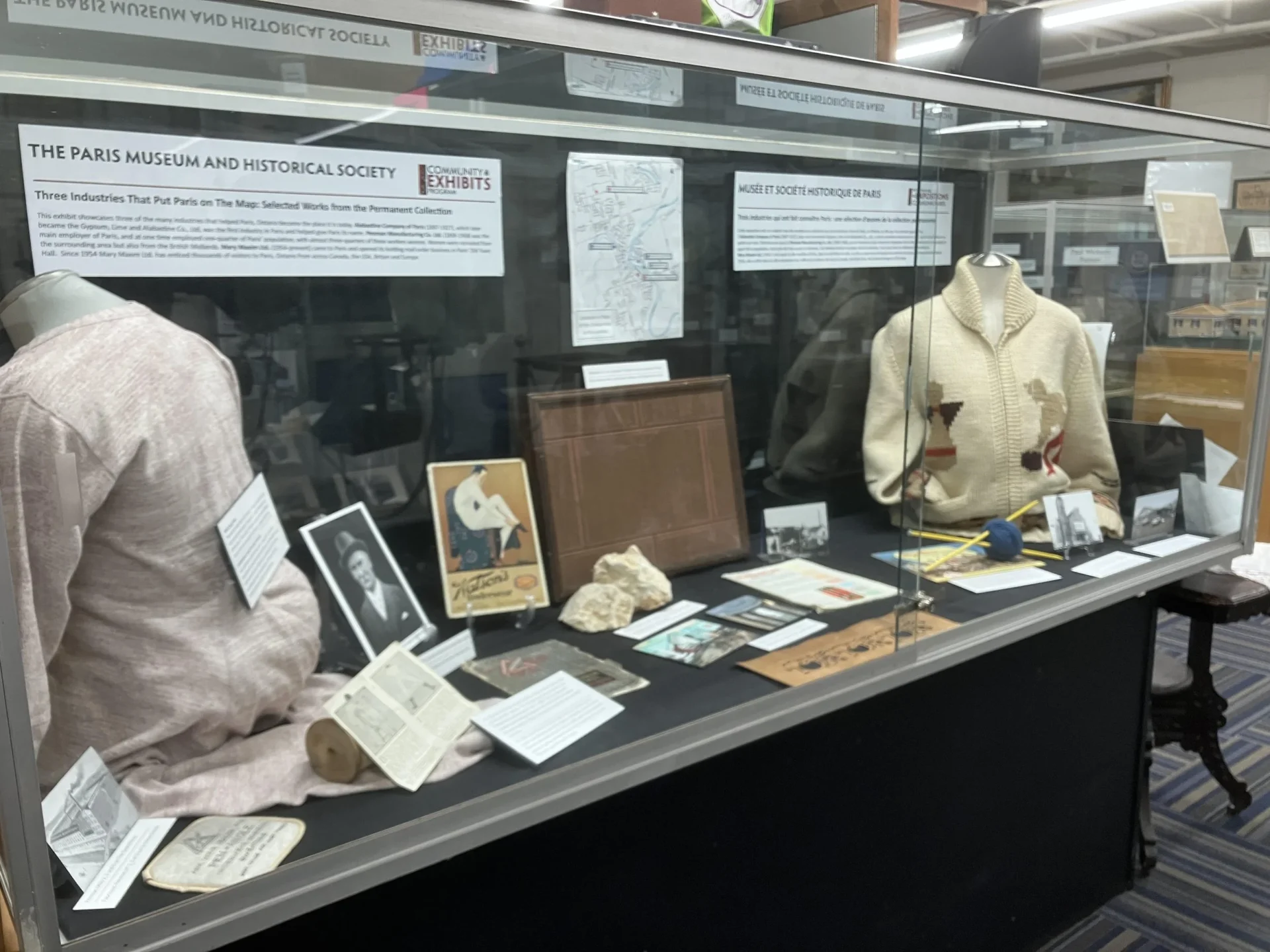
Three Industries That Put Paris on the Map

Learn how key industries helped shape Paris’s growth, economy, and reputation, leaving a lasting mark on the town’s identity.

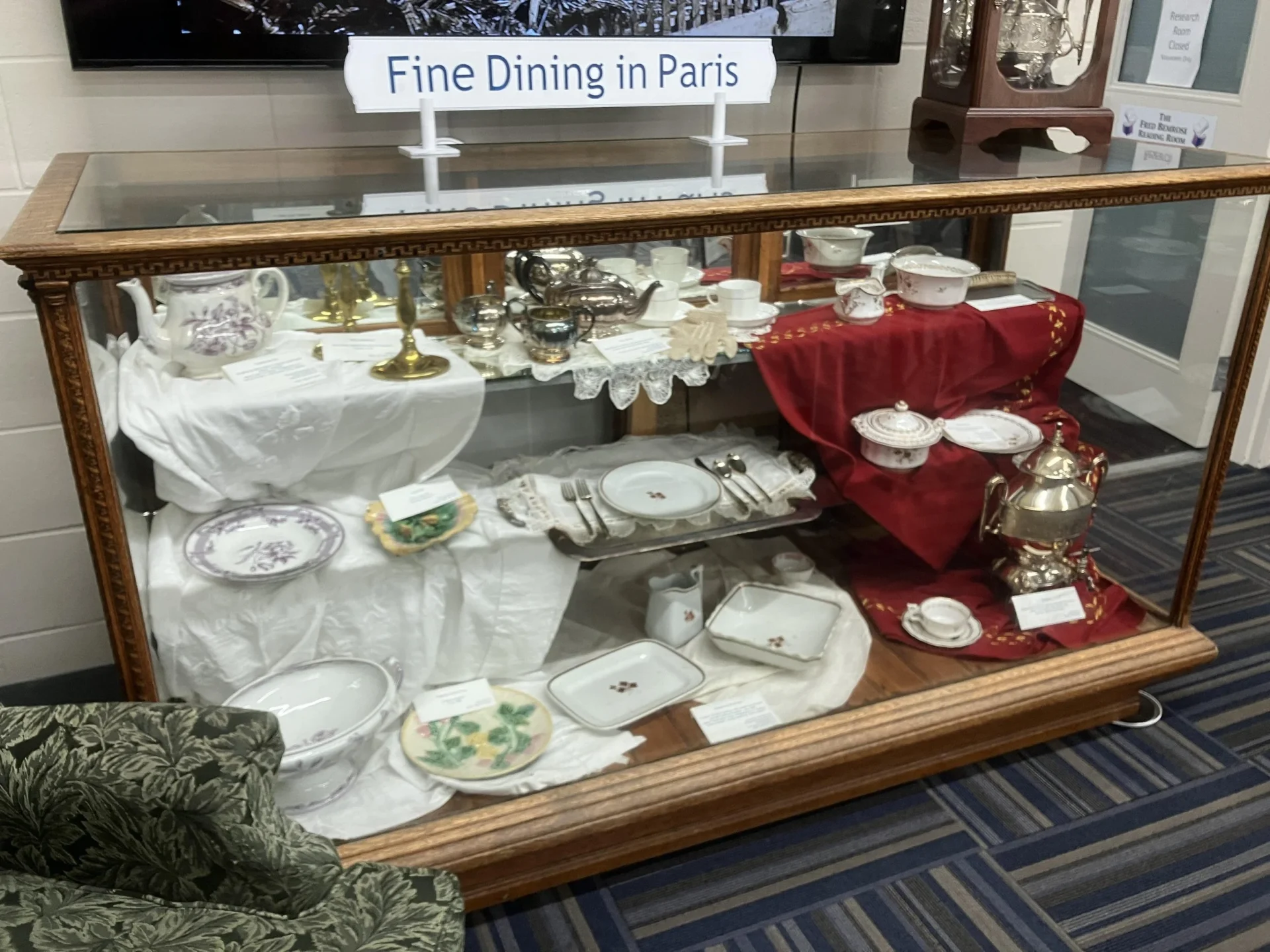
Fine Dining in Paris

An exhibit exploring dining culture in Paris, from elegant table settings to the traditions and social gatherings that brought people together.

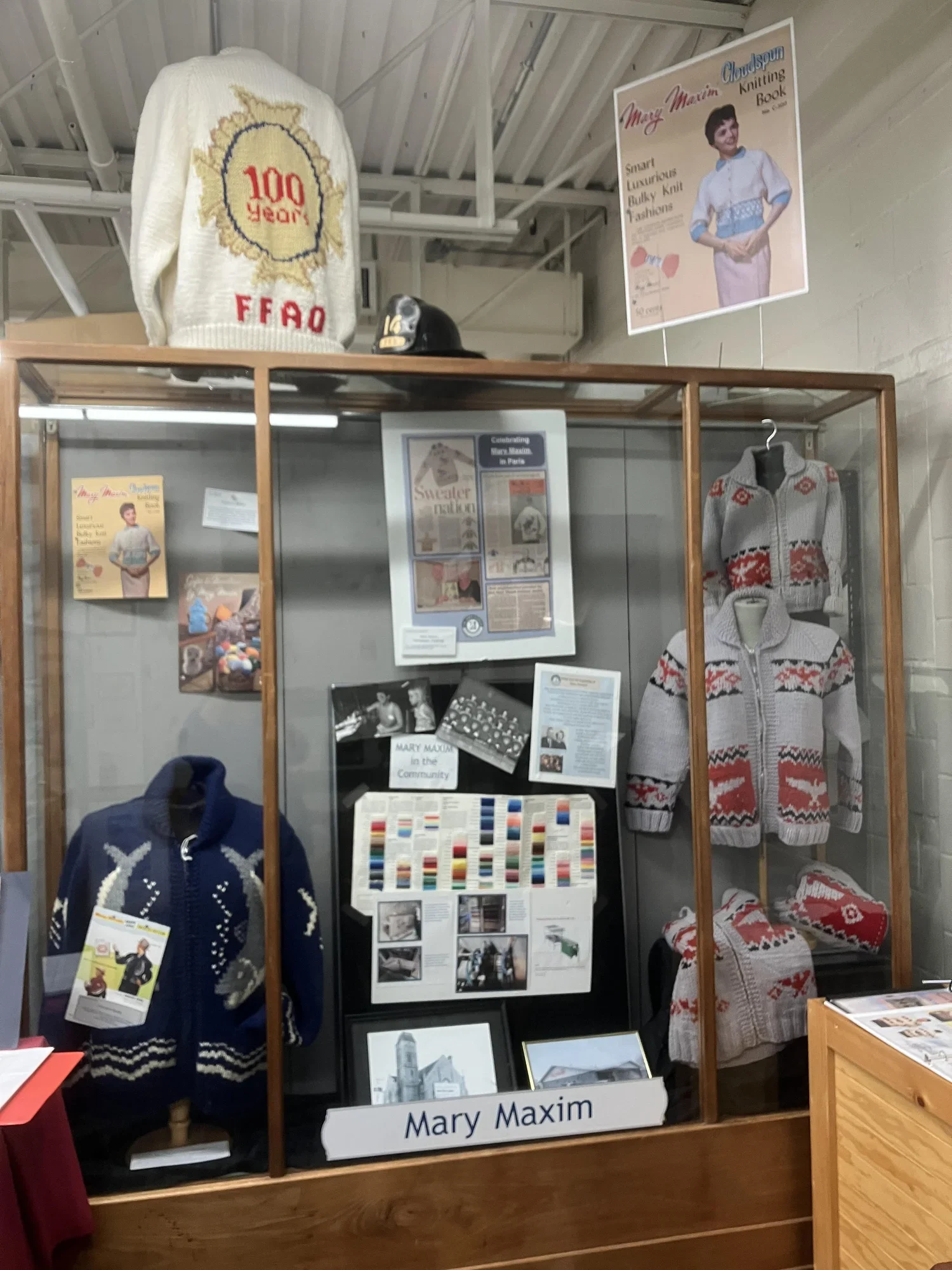
Mary Maxim, including the “Traveling Thunderbirds”

Discover original materials connected to Mary Maxim , a company begun in Paris in 1954, and is still operating today. Paris has the only Mary Maxim store in the world.

Mary Maxim is known worldwide for its iconic patterned sweaters, which were mostly designed in Canadiana motifs.
Annie Broughton Letters

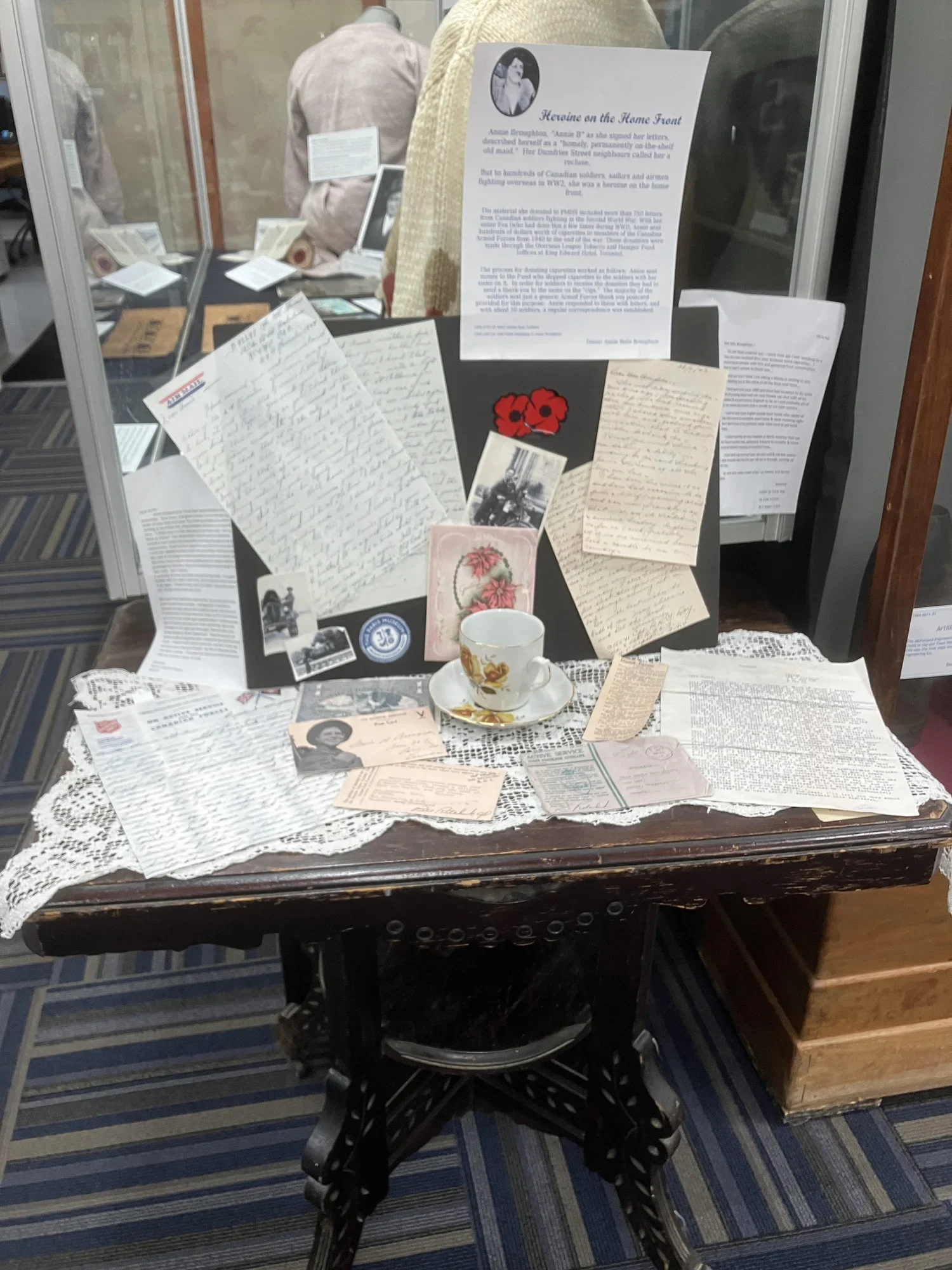
Annie sent Care packages to soldiers in WW2. To get the package they had to send her a Thank You note. She continued to correspond with many of these soldiers throughout the war. We have 750 letters sent from “her” soldiers.

1917 Signature Quilt

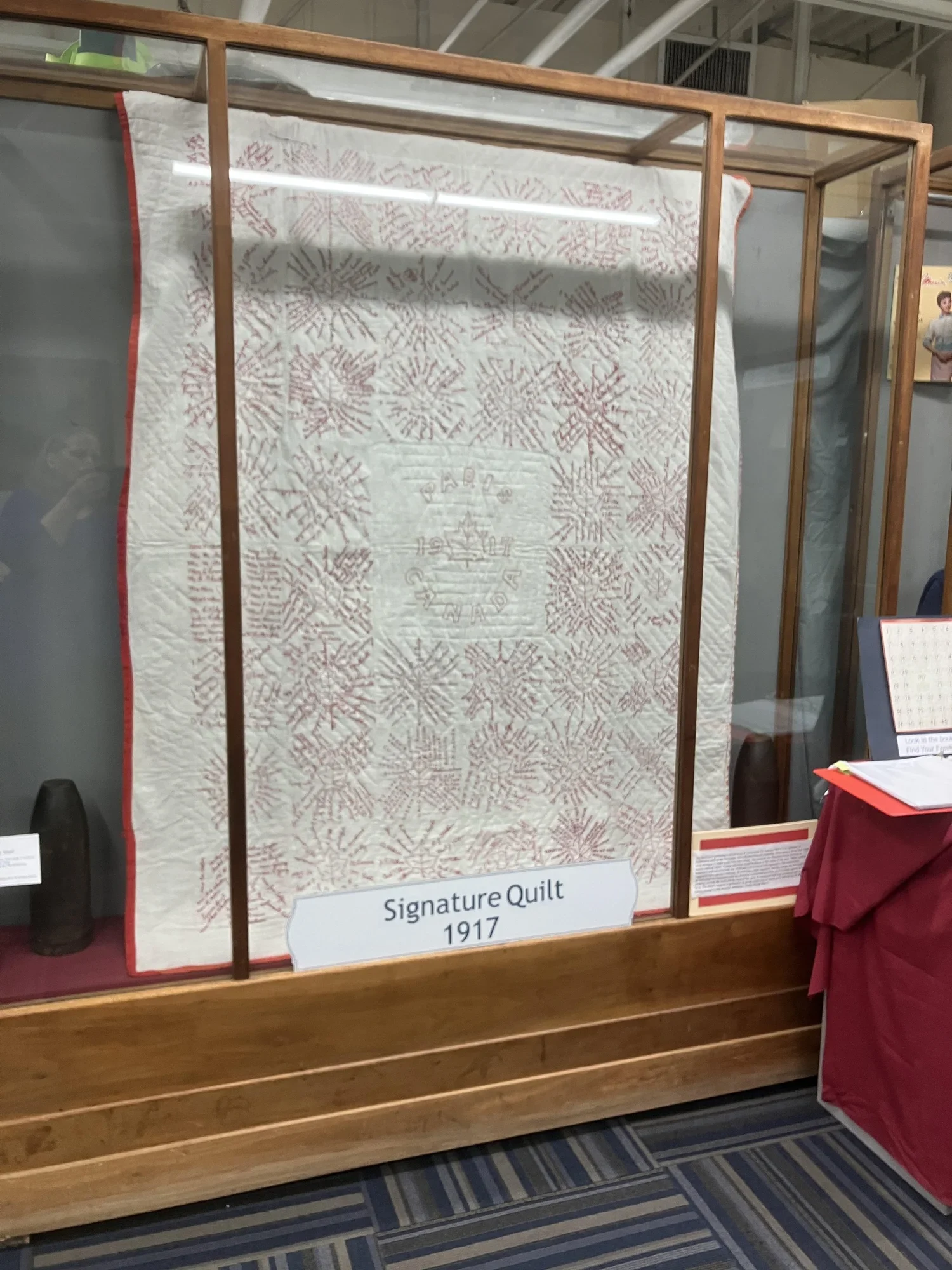
This signature quilt offers a glimpse into how funds were raised for World War 1. Citizens would pay a penny or two to sign their name on a square of the quilt. Ladies of the town would embroider those signatures and assemble all the squares together into this quilt. The quilt would then be raffled off and all funds sent to the War Effort.

Experience the Exhibits in Person

The best way to experience the Museum is to visit in person. Exhibits rotate, and many artifacts are part of larger stories shared by our knowledgeable volunteers.